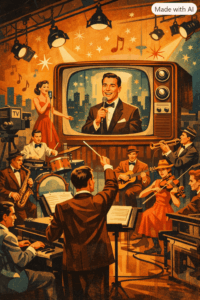
 TV theme songs are more than catchy melodies — they’re emotional anchors that define eras, shape memories, and instantly transport viewers back to the worlds they love. From orchestral beginnings to synth-heavy 80s intros and hip-hop‑infused 90s themes, the evolution of TV music mirrors the evolution of television itself. This article explores how theme songs developed, why they became cultural touchstones, and how they continue to influence entertainment today.
The Early Days: 1950s–1960s — The Birth of TV Music
In the earliest decades of television, theme songs were heavily influenced by radio. Producers wanted bold, memorable motifs that could introduce a show within seconds. Orchestras were common, and many themes were recorded live in studio sessions.
Shows like Perry Mason and The Twilight Zone relied on dramatic brass, strings, and jazz‑infused arrangements. These themes were short — often under 30 seconds — but powerful enough to become instantly recognizable.
Affiliate Link #1 (placed early, far from others):
If you want a deep reference guide to early TV themes, the Encyclopedia of Television Theme Songs is a comprehensive resource for collectors and fans.
👉 Amazon Affiliate Link: Encyclopedia of Television Theme Songs
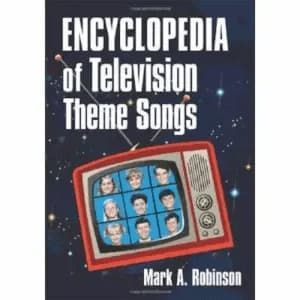
Encyclopedia of Television Theme SongsCurrent price: $49.95$49.95Amazon.comFree shippingDetailsBuyTrack priceEncyclopedia of Television Theme SongsCurrent price: $49.95$49.95
Amazon.comFree shippingDetailsBuyTrack price
The 1970s: Character, Storytelling & Warm Melodies
The 1970s marked a shift toward lyrical, character‑driven theme songs. Shows like Gilligan’s Island and The Brady Bunch used lyrics to introduce characters and plotlines, making it easier for new viewers to jump in.
Soft rock, folk, and acoustic arrangements dominated the decade. The themes felt warm, personal, and reflective of the era’s storytelling style. The Mary Tyler Moore Show used an uplifting melody that matched Mary’s optimism and independence.
Behind the scenes, composers worked closely with producers to capture the emotional tone of each show. Many themes were written in under a week, relying on the skill of studio musicians who could deliver polished recordings in just a few takes.
The 1980s: The Golden Age of TV Theme Songs
The 1980s are widely considered the golden age of TV themes. Synthesizers, drum machines, and polished studio production created energetic, futuristic intros that matched the decade’s bold visual style.
Shows like Knight Rider, Miami Vice, and The A‑Team embraced electronic instrumentation, producing themes that felt modern and cinematic. Some theme songs even became radio hits — Cheers (“Where Everybody Knows Your Name”) remains one of the most beloved TV themes of all time.
This era also saw the rise of full‑length theme songs, often running 60–90 seconds. They weren’t just intros — they were part of the show’s identity.
Why did 80s TV themes feel so big and cinematic?
Because the 80s embraced technology, spectacle, and bold aesthetics. Synthesizers and digital recording opened the door to futuristic sounds. Producers wanted intros that felt like mini‑movies — something that grabbed attention instantly and matched the decade’s larger‑than‑life style.
🎧 The 1990s: Hip‑Hop, R&B, and Alternative Rock
The 1990s brought a new wave of musical diversity. Hip‑hop and R&B influenced shows like The Fresh Prince of Bel‑Air, whose rap intro became a cultural phenomenon. Teen dramas and sitcoms leaned into alternative rock and pop‑rock, giving themes a youthful, energetic feel.
Networks realized theme songs were powerful branding tools. A strong intro could make a show instantly identifiable, helping it stand out in a crowded TV landscape.
Why did 90s TV themes become so musically diverse?
Because the 90s were a decade of genre blending. Hip‑hop, R&B, grunge, pop‑rock, and alternative music dominated youth culture. TV followed suit, using modern genres to appeal to younger audiences and reflect the era’s shifting cultural identity.
Affiliate Link #2 (placed mid‑article, far from #1 and #3):
Musicians and fans who want to explore playable arrangements of iconic TV themes can use the Hal Leonard Big Book of TV Theme Songs.
👉 Amazon Affiliate Link: Hal Leonard Big Book of TV Theme Songs
 Hal Leonard Big Book of TV Theme Songs, 2nd Edition, Piano/Vocal/Guitar SongbookCurrent price: $22.65. Original price: $26.99$22.65$26.99
Amazon.comThis product has a rating of 4.5 stars from 193 reviewers4.5 (193)DetailsBuyTrack priceHal Leonard Big Book of TV Theme Songs, 2nd Edition, Piano/Vocal/Guitar SongbookCurrent price: $22.65. Original price: $26.99$22.65$26.99
Amazon.comThis product has a rating of 4.5 stars from 193 reviewers4.5 (193)DetailsBuyTrack price
The 1980s: The Golden Age of TV Theme Songs
The 1980s are widely considered the golden age of TV themes. Synthesizers, drum machines, and polished studio production created energetic, futuristic intros that matched the decade’s bold visual style.
Shows like Knight Rider, Miami Vice, and The A‑Team embraced electronic instrumentation, producing themes that felt modern and cinematic. Some theme songs even became radio hits — Cheers (“Where Everybody Knows Your Name”) remains one of the most beloved TV themes of all time.
This era also saw the rise of full‑length theme songs, often running 60–90 seconds. They weren’t just intros — they were part of the show’s identity.
Why did 80s TV themes feel so big and cinematic?
Because the 80s embraced technology, spectacle, and bold aesthetics. Synthesizers and digital recording opened the door to futuristic sounds. Producers wanted intros that felt like mini‑movies — something that grabbed attention instantly and matched the decade’s larger‑than‑life style.
🎧 The 1990s: Hip‑Hop, R&B, and Alternative Rock
The 1990s brought a new wave of musical diversity. Hip‑hop and R&B influenced shows like The Fresh Prince of Bel‑Air, whose rap intro became a cultural phenomenon. Teen dramas and sitcoms leaned into alternative rock and pop‑rock, giving themes a youthful, energetic feel.
Networks realized theme songs were powerful branding tools. A strong intro could make a show instantly identifiable, helping it stand out in a crowded TV landscape.
Why did 90s TV themes become so musically diverse?
Because the 90s were a decade of genre blending. Hip‑hop, R&B, grunge, pop‑rock, and alternative music dominated youth culture. TV followed suit, using modern genres to appeal to younger audiences and reflect the era’s shifting cultural identity.
Affiliate Link #3 (placed near the end, far from #1 and #2):
For fans who want to listen to a curated collection of iconic TV themes, this CD compilation is a nostalgic treasure.
👉 Amazon Affiliate Link: Your 101 All Time Favourite TV Themes
Your 101 All Time Favourite TV ThemesCurrent price: $10.00. Original price: $14.22$10.00$14.22Amazon.comThis product has a rating of 4.0 stars from 216 reviewers4.0 (216)DetailsBuyTrack priceYour 101 All Time Favourite TV ThemesCurrent price: $10.00. Original price: $14.22$10.00$14.22
Amazon.comThis product has a rating of 4.0 stars from 216 reviewers4.0 (216)DetailsBuyTrack price
The 1980s: The Golden Age of TV Theme Songs
The 1980s are widely considered the golden age of TV themes. Synthesizers, drum machines, and polished studio production created energetic, futuristic intros that matched the decade’s bold visual style.
Shows like Knight Rider, Miami Vice, and The A‑Team embraced electronic instrumentation, producing themes that felt modern and cinematic. Some theme songs even became radio hits — Cheers (“Where Everybody Knows Your Name”) remains one of the most beloved TV themes of all time.
This era also saw the rise of full‑length theme songs, often running 60–90 seconds. They weren’t just intros — they were part of the show’s identity.
Why did 80s TV themes feel so big and cinematic?
Because the 80s embraced technology, spectacle, and bold aesthetics. Synthesizers and digital recording opened the door to futuristic sounds. Producers wanted intros that felt like mini‑movies — something that grabbed attention instantly and matched the decade’s larger‑than‑life style.
🎧
⭐ Frequently Asked Questions (With Answers)
What is the most famous TV theme song of all time?
Many experts point to “Where Everybody Knows Your Name” from Cheers — globally recognized, emotionally resonant, and still sung today.
What was the first TV show theme song?
One of the earliest recognized TV themes was for “I Love Lucy” (1951), which helped establish the idea of a musical intro.
What is the most iconic TV show intro?
The Knight Rider synth intro is often considered the most iconic due to its futuristic sound and cultural longevity.
What are the top 50 TV theme songs ever?
Lists vary, but common entries include:
- Cheers
- The Fresh Prince of Bel‑Air
- Knight Rider
- Miami Vice
- The Brady Bunch
- The Simpsons
- Friends
- DuckTales
- X‑Men: The Animated Series
- The A‑Team (You can build a full list if you want.)
What is the most recognisable song ever?
Outside TV, many music historians cite “Happy Birthday to You” as the most universally recognized melody.
What is the most iconic song intro ever?
In TV, Knight Rider and The Fresh Prince of Bel‑Air dominate. In music, intros like Michael Jackson’s “Billie Jean” or Queen’s “Bohemian Rhapsody” are often cited as the most iconic.